

The professionals have a detailed brochure created on tree removal or cutting down trees. Below is a section of the main points which you will also find on the website .
Dangers in tree-growing
Without professional training, equipment, and preparation, the felling of trees is life-threatening. Around 40 percent of all fatal work accidents in the forest are due to tree felling. Analysis has identified, among other things, the following frequent accidents:
- Splitting or falling stem part while felling
- Slinging back, broken off and falling branches after the felling cut or while the tree are falling
- Falling trees that were hung up and needed to be brought down to earth
Assessment of tree and environment
This includes basic assessments such as the wood characteristics or health status of the tree and weight distribution based on the treetop. In addition, special risks must be assessed, such as sticking branches or imposition with neighboring trees.
Lastly, in the case of tree removal, it is also necessary to plan in advance how the tree will eventually fall: will it be necessary to block rail lines or create a barrier for pedestrians? Neighboring trees with? What are the weather and visibility conditions? In unfavorable conditions, the felling work should be postponed.
Because the assessment is then
- To choose the safest method of precipitation
- To set the retreat
- To make the way to the retreat passable
Retreat and Retreat
One of the greatest dangers is being hit by branches or trunks immediately after the tree has been felled. Therefore, the retreat path must be set and made accessible before the felling work. Surrounding trees and branches can complicate the retreat. Once the tree starts to fall, the lumberjack must
- Move quickly to the retreat
- Observe the precipitation path
- Wait for the tree to lie on the ground and swing-out the crowns
Safety and Code of Conduct
The following safety measures must be taken into account when removing a tree:
- Point people out of the danger zone before work
- Show uninvolved persons from the work area
- Persons from felling warn
- Monitor the danger area repeatedly and make warning calls in good time
Felling sloping or bent trees
Special hazards are here immediately after the felling cut splitting trunks or falling stem parts. Sloping or bent trees require special felling techniques, which can be taught and practiced in wood courses. Further information can be found on the web.
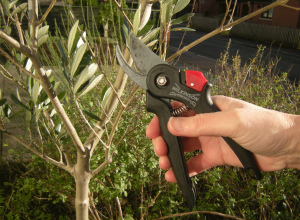
Bring down fallen trees to the ground
The hanging tree must be brought to the ground before it can be further worked, as it can collapse at any time and pose a permanent danger. The situation is too cautious to analyze and pull down, for example, with a traction device from a safe distance. Take the following precautions:
- Never work in the fall area of the “trailer.”
- Refer persons from the case area of the “hangman.”
- Never climb the “trailer” or support tree
- Never drop the support tree
- Never put other trees on the “trailer.”
Mechanized cases
The same safety and behavior rules apply to the felling of trees with the wood harvester as when felling with the chainsaw.